
Introduction
Contemporary superhero cinema operates according to a familiar logic: the triumph of extraordinary power, the spectacle of physical conquest, the inevitable victory of good over evil. Yet apocalyptic narratives demand something different. When the world faces collapse—whether through predetermined fate, surveillance systems, or self-sabotaging cycles—heroism can no longer rely on superpowers alone. Instead, it manifests through hope, restraint, emotional reconciliation, and the capacity to resist seemingly unchangeable structures.
No matter how buried it gets, or lost you feel, you must promise me that you will hold on to hope and keep it alive.
Gwen Stacy, The Amazing Spider-Man 2
Non-physical powers emerge as the true site of heroism in apocalyptic texts. This collection of essays explores how heroes navigate worlds on the brink of destruction not through displays of might, but through internal struggle, moral conviction, and defiant hope. What happens when a hero must choose restraint over action? When hope becomes both the fuel for resistance and a dangerous liability? When surviving within a system unknowingly makes you complicit in your own oppression?
These essays trace a progression through apocalyptic narratives, moving from conventional superheroes – Divya Shah kickstarts the series with his article on X-Men: Days of Future Past (2014), followed by Too Charisse’s article on Spider-Man: Into the Spider-Verse (2018) and Across the Spider-Verse (2023) and Malcolm Ng’s article on The Dark Knight (2008) – to increasingly unconventional understandings of heroism and hope as discussed in Lim Lyn-Zhou’s article on the Samurai Jack series (2001-2017) and Zhong Baode’s article on the animated movie, Zom100: Bucket List of the Dead (2023).
Across these narratives, a singular revelation emerges: heroism in apocalyptic worlds is not about possessing extraordinary abilities, but about possessing extraordinary conviction. It is the quiet power to hope against hopelessness, to resist against systems designed to make resistance impossible, to reclaim agency not through action, but through choice.

Divya Shah explores how X-Men: Days of Future Past diverts from the familiar spectacle of superhero cinema by shifting the climax away from physical triumph and toward inner revelation. Rather than staging its apocalypse around the mightiest mutant, the film focuses on characters learning to confront grief, disillusionment and the temptation toward vengeance. In tracing Wolverine’s return to 1973, the article argues that the film reframes heroism as the power of self-restraint and emotional reconilliation. Shah shows that the story’s moral tension lies in the opposing paths taken by Xavier and Mystique, one withdrawing from feeling altogether, the other consumed by righteous anger. By illuminating how the film resolves its crisis through empathy rather than force, this article broadens our understanding of what a superhero narrative can accomplish, revealing how some consequential battles are those fought within the self, not on the battlefield
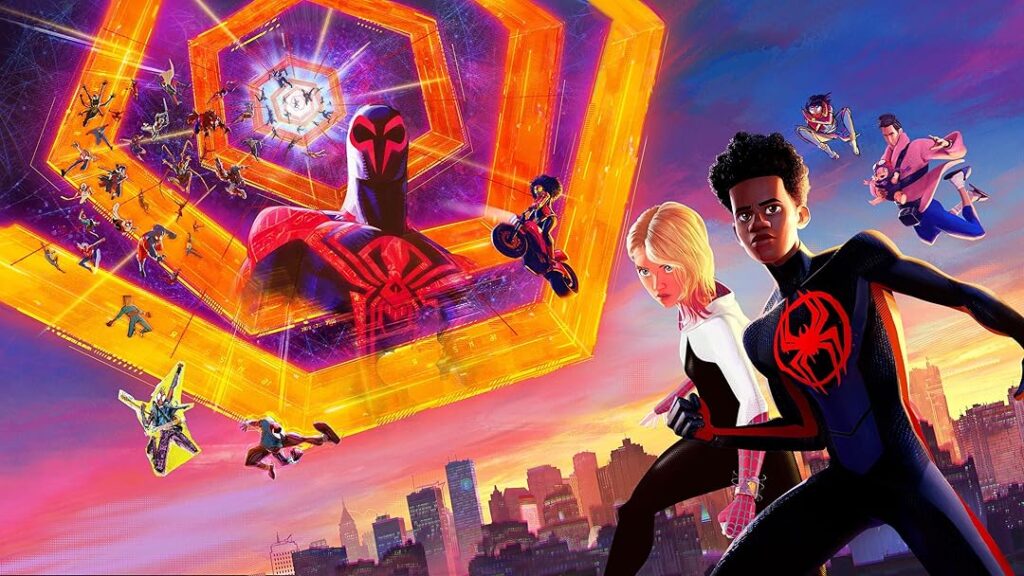
Following, Too Charisse examines how the Spider-Verse films reconstruct hope as a paradoxical force. Traditional superhero narratives frame hope as restorative—a justification for repeated sacrifice that normalizes trauma as necessary rather than tragic. Yet Miles Morales embodies a different hope: one that defies the predetermined "canon events" binding the Multiverse. As an anomaly existing outside canonical structures, Miles pursues a future he desires rather than accepts. However, his reckless conviction reveals hope's danger when divorced from careful judgment. Too argues that the Spider-Verse ultimately subverts conventional notions of hope; rather than valorize sacrifice, it depicts everyday resistance that challenges deterministic systems. This cruel optimism—Miles's impossible pursuit of saving both his father and the world—becomes precisely what enables his transformation of naïve hope into meaningful agency, prompting reflection on our own capacity to reimagine supposedly unchangeable futures.

Malcolm Ng then explores how hope flickers within a world pulled between Harvey Dent’s bright idealism and the Joker’s relentless unravelling of moral order. While Batman is often imagined as Gotham’s inspiring symbol, the film gestures toward a quieter revelation—that hope can persist not only in luminous figures like Dent, but also in the shadowed labour of someone who chooses to bear what others cannot. He argues that TDK shows Batman sustaining hope through difficult sacrifices and necessary illusions, especially as Dent’s fall threatens to confirm the Joker’s belief that goodness inevitably collapses under chaos. In shouldering this burden, Batman enables Gotham to keep believing in a future Dent once embodied. By tracing how hope survives between these opposing forces, this article broadens our understanding of heroism and invites us to recognise the subtle, unexpected ways hope may endure when inspiration alone can no longer hold a fractured world together.
Lim Lyn-Zhou explores how Samurai Jack turns an unlikely superhero, a time-displaced samurai who fights with discipline rather than flashy powers, into a figure who teaches audiences how to survive despair. His article traces how the revival season strips away the colourful playfulness of the early episodes and follows Jack as he struggles with isolation, guilt and the slow work of rebuilding meaning. By showing how characters like Aku, the Omen and Ashi reflect Jack’s inner turmoil, Lim argues that the show builds hope from the ground up, through small choices and emotional honesty rather than grand heroic certainty. The piece also explains why this story struck so deeply when the final season aired, because many viewers who first watched the show as children had grown into adults facing economic anxiety, political uncertainty and a general sense of exhaustion. Through this lens, the article reframes Samurai Jack as a surprisingly relevant superhero story for a generation living through turmoil, and as a reminder that hope can be rebuilt even when optimism feels out of reach.


Zhong Baode’s article reexamines what it means to be heroic in an apocalyptic setting by challenging the long standing separation between heroes and superheroes. Using Zom100: Bucket List of the Dead as his case study, he argues that Akira Tendo embodies a form of heroism defined not by physical ability but by extraordinary emotional and adaptive intelligence, traits that become supernormal within the psychological devastation of societal collapse. Through close analysis of how Akira liberates others from fear, trauma, and self suppression, Zhong introduces the concept of the transformative enabler to show how emotional resilience, hope, and the will to live can function as genuine superpowers in an apocalypse. His article ultimately expands the definition of the super, proposing that in contexts marked by exhaustion and despair, the strongest form of heroism may be one that restores purpose and inspires others to reclaim their agency.